The Last One to Admit It
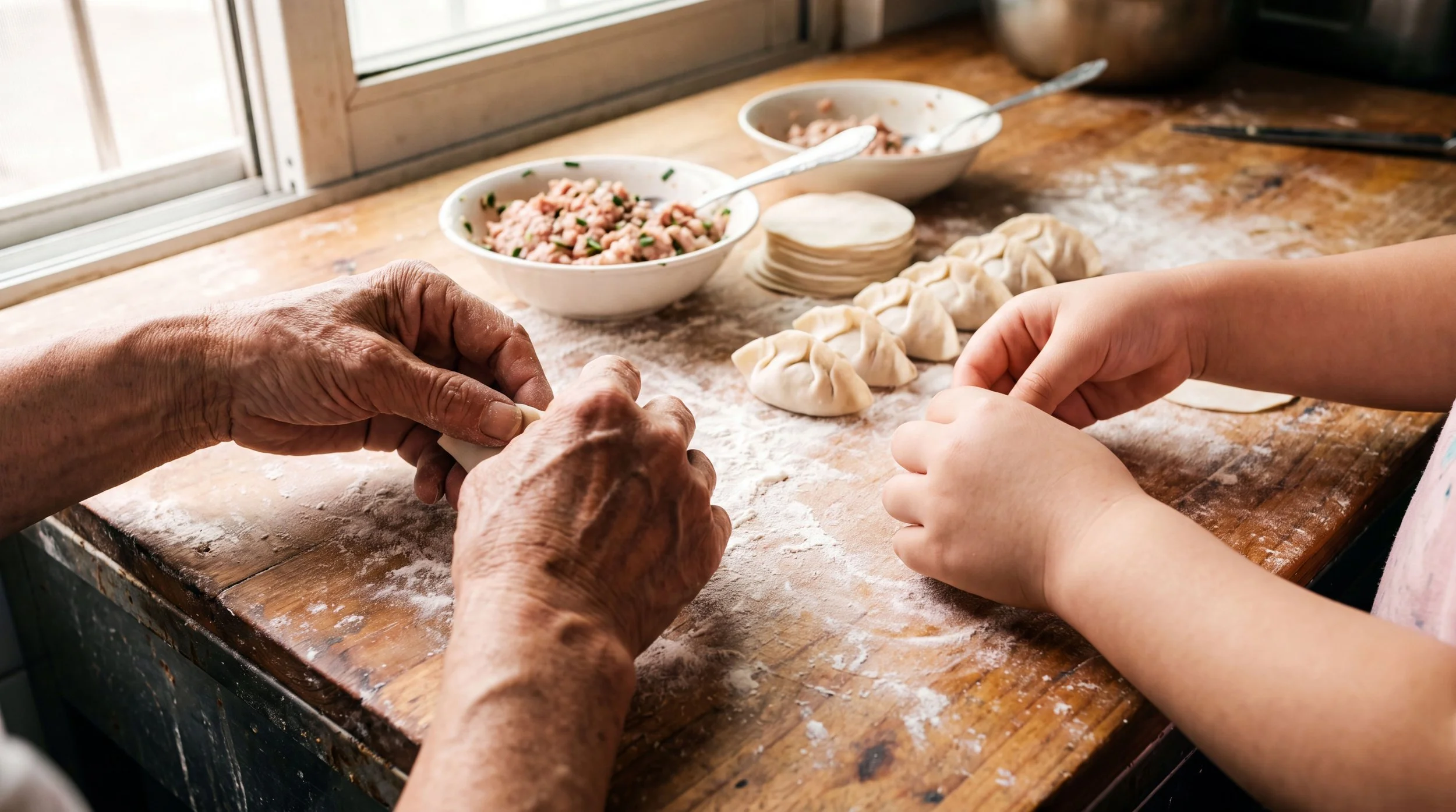
Jing Gao learned to make dumplings from her grandmother. She watched the same fold happen again and again until her own hands could do it without thinking, with flour on the counter and the filling measured by feel instead of a recipe card. It was one of the first dishes she ever learned, long before Fly By Jing existed, long before Sichuan chili crisp became something people in the United States recognized on a store shelf. She kept making dumplings for years afterward, at her own restaurant in Shanghai, at dinner parties, and for people who showed up hungry and left fed.
Fly By Jing itself started small and personal, too, an underground supper club where Gao cooked with a suitcase of Sichuan ingredients she brought from home, her chili crisp usually sitting at the center of the table. A Kickstarter campaign in 2018 turned that into an actual company, and by the time she moved the business to the United States the following year, the chili crisp alone was enough to build a following around.
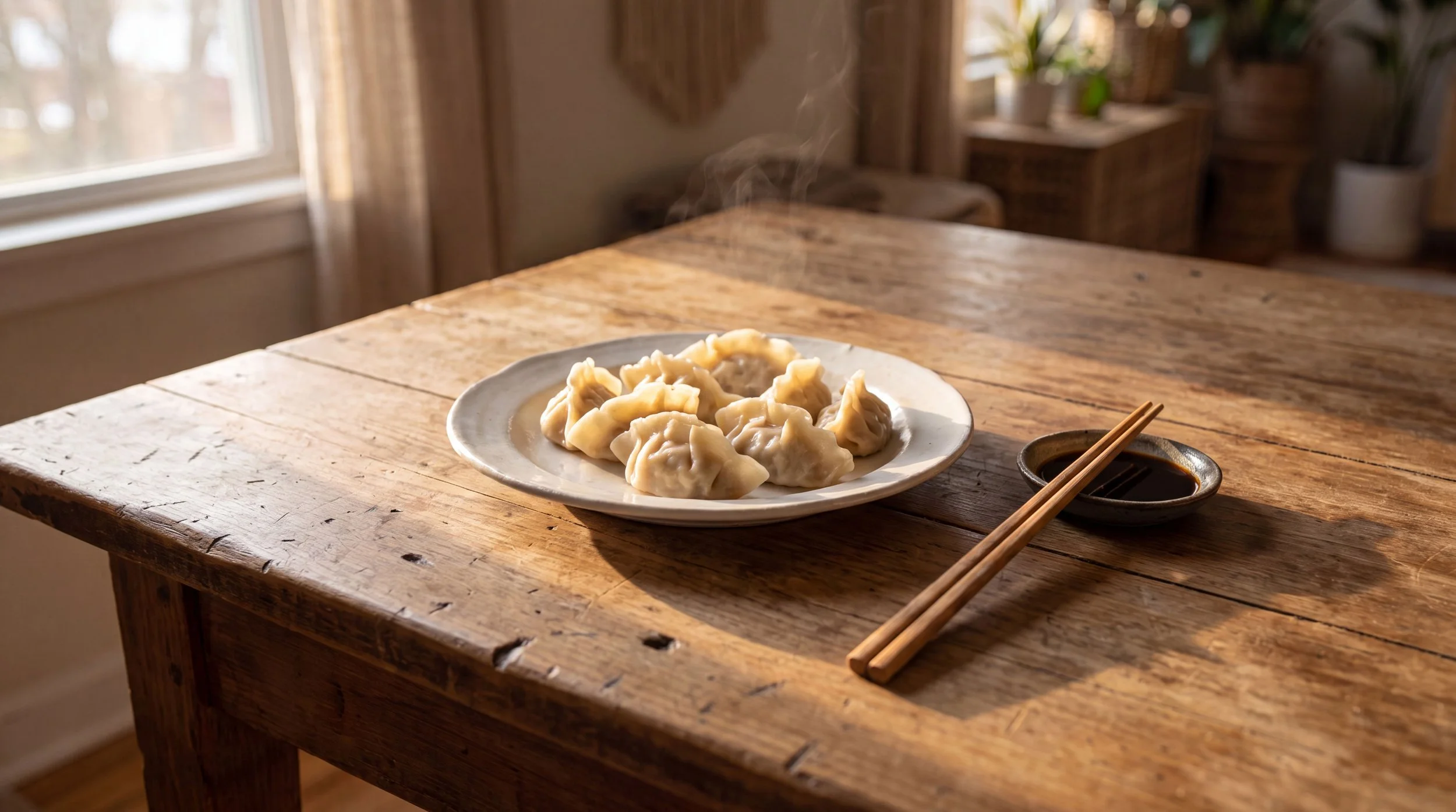
When Fly By Jing launched its own frozen dumpling line in 2021, it came from that same recipe her grandmother had taught her. The dumplings became something bigger than a side item almost immediately. They sold out. They sold out again. Then a third time, each restock met with the kind of demand most food brands spend years trying to manufacture.
By any normal measure, that's a problem worth having. A product selling out three times over is proof that you have something special. Except Fly By Jing had built its name on something else: a chili crisp and a handful of shelf stable condiments that were easy to ship and scale without ever touching a freezer. Frozen dumplings didn't have the same rules, and every restock meant solving a version of that problem all over again. It required cold storage, shipping windows, and a supply chain the rest of the company had never needed.
Most founders in that position keep going anyway. When something sells out three times in a row, the instinct is to scale it, not question it. You push to add flavors, invest more in the supply chain, and let the thing customers keep asking for become its own division. Nobody would have faulted Gao for doing exactly that. The demand was already doing the hardest part for her.
Most of the attention in business writing goes to founders who cut a failing product. It could be a launch that never should have happened or the quiet embarrassment nobody wants to keep funding. That kind of story explains itself. Gao's decision doesn't come with that kind of alibi. There were no customer complaints piling up or metrics trending the wrong way. There was no excuse sitting there waiting to be pointed at. The dumplings were succeeding by every measure, and she still ended them anyway.
In 2023, at the height of that demand, she discontinued the dumplings. The first question we would instinctively ask is, “Why?” The answer is simple: the dumplings had started pulling the company toward something else, and its foundation wasn't built to hold it all. She's talked about the decision plainly since, saying it's harder to stay disciplined and turn down a shiny opportunity than to chase it.
That focus is still what helps businesses grow.
Fly By Jing gave the dumplings a proper farewell instead of letting them quietly disappear from the site with one final run that was announced ahead of time until they were gone for good.
For some, it may be hard to understand why a founder would do this on purpose. It makes more sense once you notice what she protected by doing it. Working and being right aren't automatically the same thing, and Gao's choice to end the dumplings at their peak is proof she knew the difference. She was willing to act on it before the two ideas got any more tangled together.
Since then, Fly By Jing has kept moving in the direction it was already headed. Gao knew the company didn't need the dumplings to keep growing. All it needed was to stay clear about what kind of company it actually was.
Gao has said as much herself. The meals and the memories made along the way were real, and that ending that chapter on a high note felt right rather than like a loss. That is no small thing to believe. It is often believed that anything selling well should keep being sold. Most companies don't get the chance to end something on their own terms, often due to a lack of demand. The dumplings started as something Gao made long before they were ever a product. She learned from her grandmother and folded the same way for years at her restaurant and at her own dinner table. All of this was there long before any of it became a business.
Sources
• This Is Your Last Chance to Buy Fly By Jing's Frozen Soup Dumplings, Food Network —
https://www.foodnetwork.com/how-to/packages/shopping/fly-by-jing-dumplings-discontinued
• DTC Briefing: 4 founders on when is the right time to discontinue a product, Modern Retail —
• Meet the Founder: Jing Gao, Bristol Farms — https://www.bristolfarms.com/founders/mtf-jing-gao-fly-by-jing
• Fly by Jing is launching chili crisp ketchup, Fast Company — https://www.fastcompany.com/91384725/fly-by-jing-ketchup