What Did You Fail At This Week?
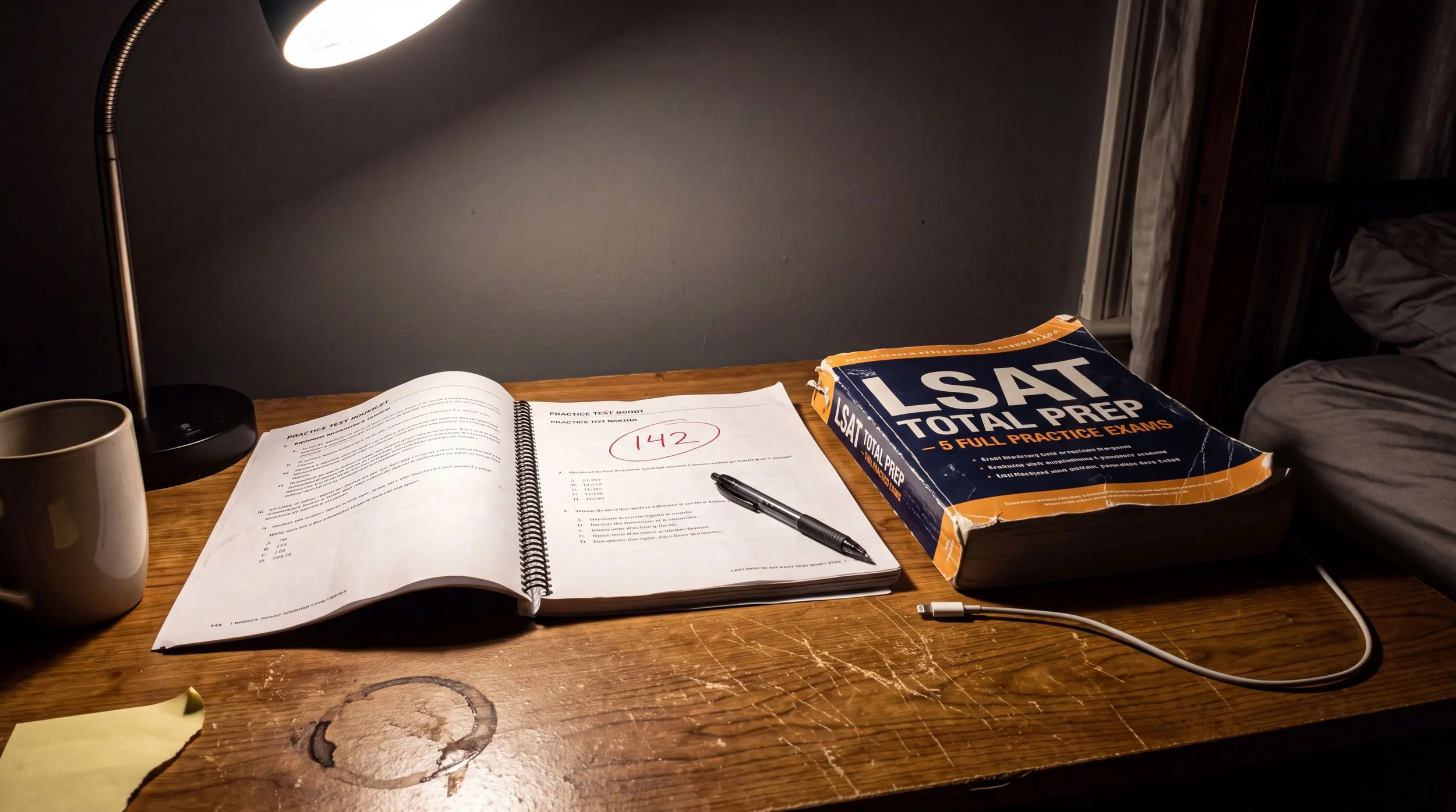
Sara Blakely wanted to be a trial lawyer for as long as she could remember. It was the same profession as her father, whom she used to beg to let her tag along and watch him in court as a kid. She built her whole plan around it, majored in legal communications, and eventually sat down to take the LSAT. The first attempt went badly. She enrolled in a prep course afterward, studied as hard as she knew how, and took the test again. The second score came back one point worse than the first. She's described standing there afterward genuinely asking herself what the universe was trying to tell her, and the answer she landed on, in her own telling, was that she should drive to Disney World and audition to play Goofy.
She drove down and stood in line for a shot at it. The costume needed someone who was five foot eight. Blakely was two inches short. Disney didn't have a part for her, but the parks needed people for other jobs, so she spent the next several months on a moving walkway at Epcot, buckling visitors into their seats before a ride called World of Motion, which no longer exists. It wasn't the plan, and it didn't last.
What came after wasn't glamorous either. She took a job with an office equipment company selling fax machines door-to-door, handed a phone book, a handful of zip codes in Clearwater, and a monthly number she was expected to hit. That job lasted seven years. Doors closed on her more times than she could count. Some days the rejection got to her badly enough that she'd burst into tears after a bad call and have to drive around the block a few times before she could walk up to the next door. In the evenings, she started doing stand-up comedy, mostly because being rejected on stage a few nights a week turned out to be decent practice for rejection during the day. The sales job never turned into anything bigger than what it already was. It was simply a way to cover rent while she figured out whatever came next. After that many years of small, specific rejections stacked one on top of the last, plenty of people in her position would have quietly lowered what they were still willing to try for, treated the fax machine job as the ceiling rather than a stretch of road on the way somewhere else.
Growing up, her father asked her and her brother the same question almost every week at dinner. Not how school went, or what they'd accomplished. He wanted to know what they'd failed at. If she didn't have an answer, that was the disappointing outcome, not the failure itself. The years selling fax machines gave her plenty to report.
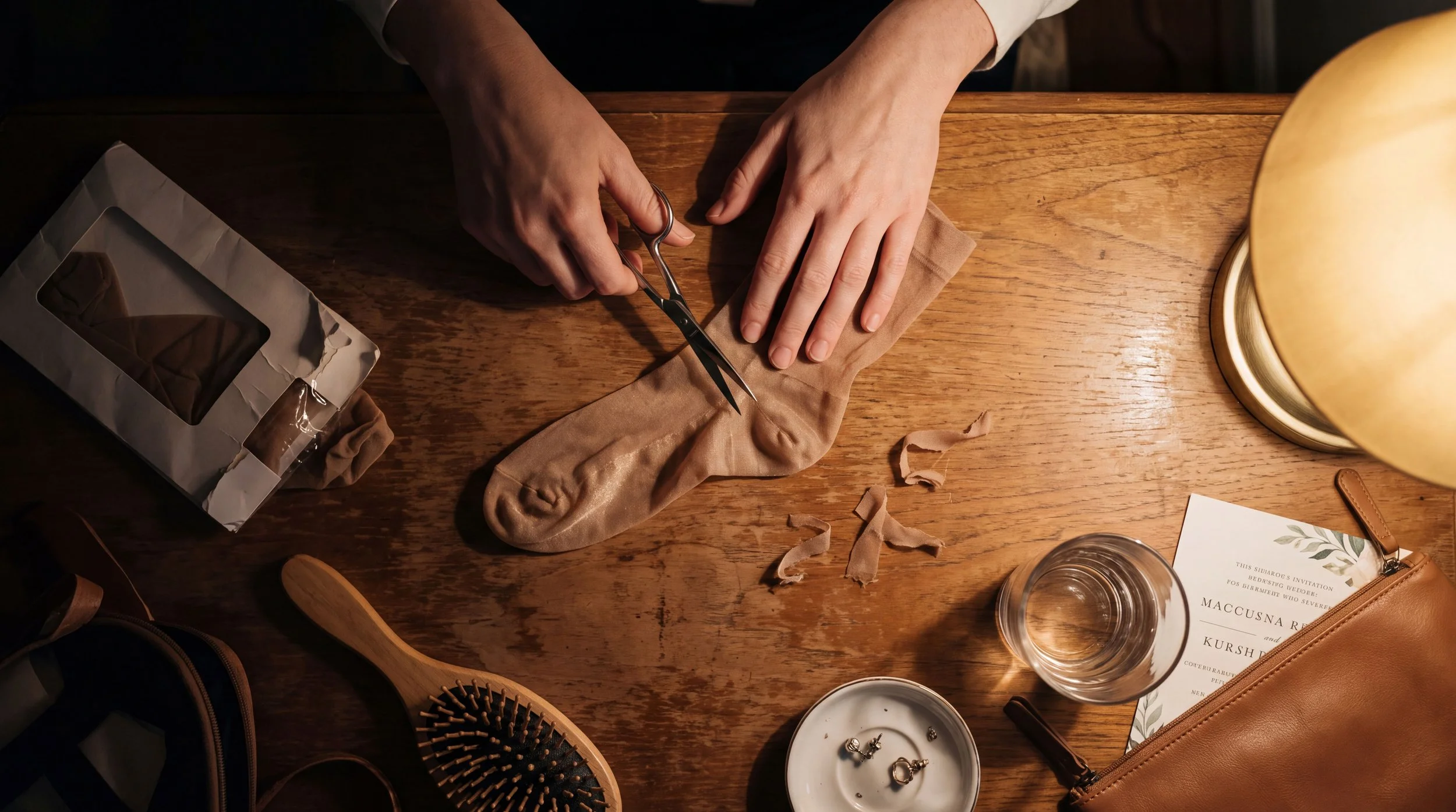
The idea that actually became Spanx showed up somewhere in the middle of all that, and it wasn't dramatic. She'd bought a pair of cream-colored pants for a party and didn't own an undergarment that fit under them without showing a seam or a panty line. So she cut the feet off a pair of control top pantyhose and wore them under the pants instead. They rolled up her legs all night, but she noticed something else first: everything under the waistband looked smoother than anything she'd tried before. She's said she thought, right then, that she needed to figure out how to actually make that.
It's tempting to treat that moment as the lucky break, the one where seven years of rejection finally paid off. That's not really what happened. Nothing about cutting up a pair of pantyhose required luck. It required being the kind of person who'd spend years hearing "no" and still understand the problem was hers to solve herself, since nobody else seemed to be solving it for her. That instinct was already there, built by every door that had closed on her before this one opened.
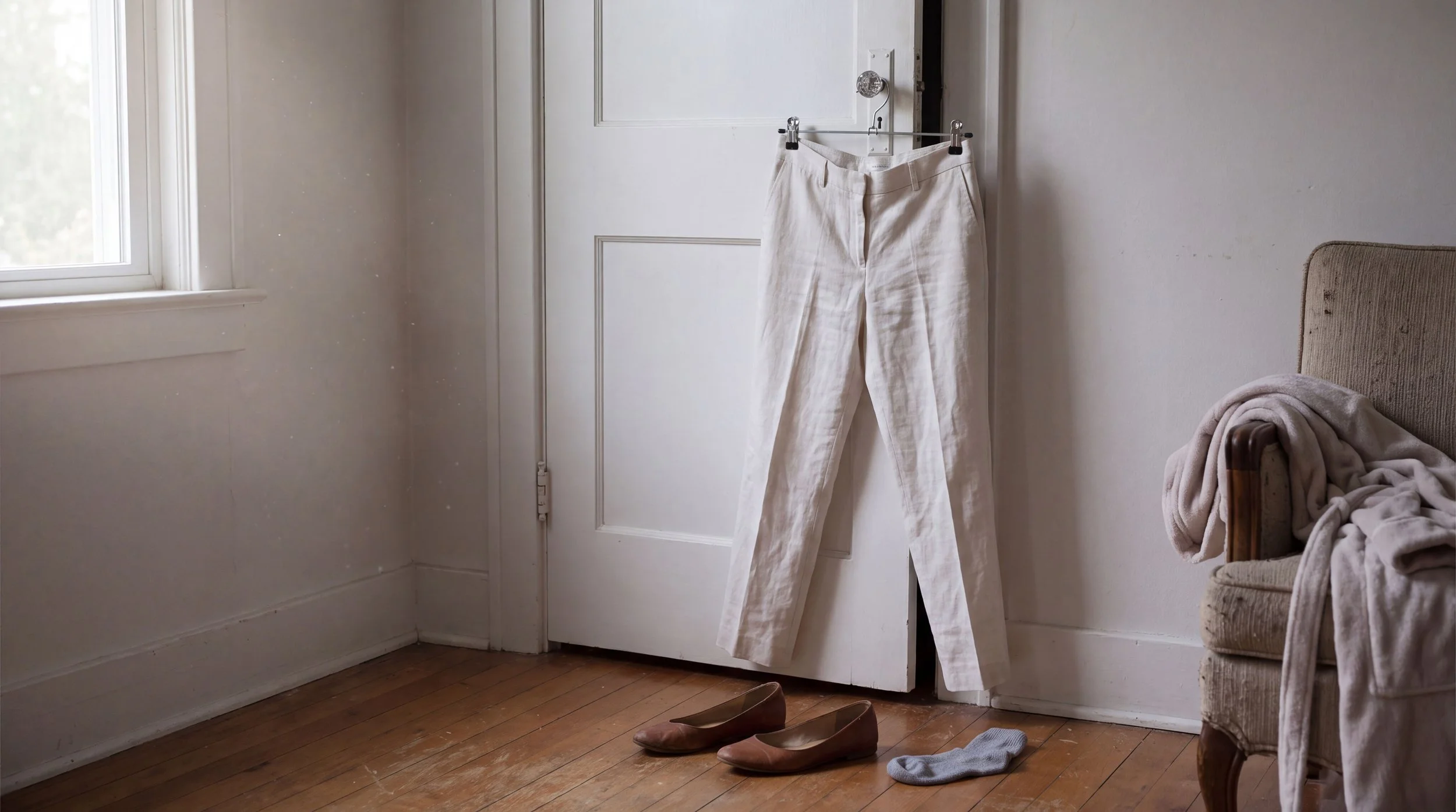
Blakely started the company with five thousand dollars, all the savings she had, and spent two years planning it out while she kept working her regular job. She'd never worked in fashion or retail, so she wrote her own patent application because she couldn't afford a lawyer for one, then started cold calling hosiery mills to actually get the thing made. Most turned her down. She kept calling anyway, just like she had once kept dialing through a phone book of zip codes that mostly ended in a closed door. When the product finally launched, she had no money left for advertising, so she wore the same cream colored pants nearly every day for the next three years, the exact pair that started the whole thing, and let people ask her what she had on underneath. That was the marketing plan. It worked because she was standing right there in it, answering the question herself, the same way she'd been doing since a fax machine cold call first taught her nobody else was going to make the sale for her.
She still tells the story of her father's question the same way now as she did when Spanx was worth nothing more than an idea and a pair of ruined pantyhose. What have you failed at this week? It didn’t focus on what went right, or what you finished. It was all about what you were willing to risk not knowing how to do.
Sources
• Undercover Billionaire: Sara Blakely Joins the Rich List Thanks to Spanx, Forbes —
• How Sara Blakely of Spanx Turned $5,000 into $1 Billion (American Booty), Forbes —
• How Billionaire Sara Blakely Refused to Let Rejection Stop Her, The Story Exchange —
https://thestoryexchange.org/sara-blakely-refused-fear-failure-stop/
• Failure Is Not Trying' and Other Fatherly Advice to Entrepreneurs, Entrepreneur —
https://www.entrepreneur.com/leadership/failure-is-not-trying-and-other-fatherly-advice-to/223772
• Sara Blakely on Resilience, Entrepreneur — https://www.entrepreneur.com/leadership/sara-blakely-on-resilience/219367